
Harmonizing Creativity: Exploring the Symbiosis of Art and Design
The featured article delves into an innovative website that seamlessly melds the realms of art and design, creating an immersive platform for enthusiasts and practitioners alike. The website, a testament to modern digital aesthetics, offers a multifaceted experience where users can explore a diverse array of art forms while also delving into the principles of design that underpin their creation.

Moreover, the website goes beyond mere presentation, serving as an educational hub for design aficionados. It intricately dissects the thought processes and techniques behind each masterpiece, elucidating the design choices that contribute to the visual allure. Through insightful articles, videos, and interactive tutorials, users gain a deeper understanding of design elements such as color theory, composition, and typography.
 Coursera
The "Looking at Art 2" section on the Coursera website offers an enriching and immersive journey into the world of art appreciation. Designed for both beginners and seasoned art enthusiasts, this section provides an interactive and thought-provoking exploration of artworks spanning various genres, periods, and cultural contexts. Through a meticulously curated collection of high-resolution images and insightful commentary, users are invited to delve into the intricate details of each masterpiece, fostering a deeper understanding of artistic techniques, symbolism, and historical significance.
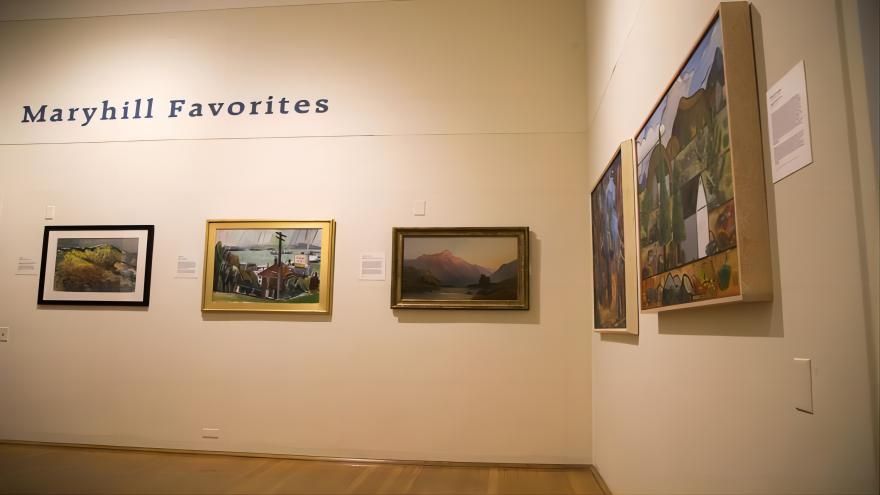
Engaging video lectures led by renowned art historians and experts provide a dynamic learning experience. These experts guide learners through in-depth analyses of select artworks, unraveling the stories they tell and the emotions they evoke. Additionally, interactive quizzes and assignments encourage users to actively apply their newfound knowledge, enhancing their critical thinking skills and ability to articulate their interpretations. As learners progress through the "Looking at Art 2" section, they gain a holistic perspective on art's evolution, its connections to culture and society, and its enduring impact on human expression. By fostering a community of learners with diverse perspectives, this section not only deepens individual appreciation for art but also nurtures a collaborative environment where discussions and exchanges of ideas flourish, enriching the learning experience for all.
 Recommended for
- "The 'Looking at Art 2' section on Coursera is recommended for art enthusiasts seeking to refine their understanding of artistic techniques and historical contexts, and for those eager to engage in thoughtful discussions about the visual expressions that have shaped cultures throughout history."
- "Whether you're a novice looking to embark on a journey of art exploration or an experienced art historian aiming to deepen your insights, the 'Looking at Art 2' section on Coursera welcomes learners of all levels who are eager to decipher the intricate narratives and visual language hidden within renowned artworks."
 Coursera
The game-design section on the Coursera website offers an engaging and comprehensive learning experience for both beginners and experienced individuals looking to dive into the world of game design. With a wide array of courses and resources, this section caters to various aspects of game creation, from conceptualization to implementation.

Courses in the game-design section cover a diverse range of topics, including game mechanics, level design, storytelling, character development, and more. These courses are crafted by industry experts, ensuring that learners receive up-to-date insights and practical knowledge that directly translate to real-world game development scenarios. The interactive nature of these courses allows learners to engage with fellow students through discussions, projects, and peer assessments, fostering a collaborative environment that mirrors the teamwork often required in game development studios. Navigating the game-design section on Coursera is a user-friendly experience. The intuitive interface allows learners to easily browse through course descriptions, view instructor profiles, and access sample lectures to gauge the course content's suitability for their needs. Additionally, the section provides learners with the flexibility to choose between self-paced courses and more structured schedules, accommodating a variety of learning preferences and time commitments.
Recommended for
- Aspiring Game Developers: The game-design section of the Coursera website is recommended for aspiring game developers of all ages who want to learn the fundamentals and advanced concepts of game design, including mechanics, storytelling, and level design.
- Artists and Storytellers: The game-design section on Coursera is ideal for artists, writers, and storytellers interested in expanding their creative skills to the realm of gaming.
 EDX
EDX
Tsinghua University is located in Beijing, China and is one of the most prestigious educational institutions in China. Known for its high regard for research, innovation and academic excellence, Tsinghua University has traditionally been a pioneer in various fields of study. Tsinghua's involvement in offering courses on the topic of pattern aesthetics and creation through the edX platform will align with Tsinghua's commitment to fostering cutting-edge knowledge and equipping learners with skills relevant to today's rapidly evolving technological fields.

"Pattern Aesthetics and Creation" is a course that focuses on the study of pattern in a variety of contexts, including design, art, and fashion. This course may explore the aesthetic principles that govern the creation and arrangement of patterns, whether they are visual, textile, or digital. Students can learn about the cultural, historical, and artistic significance of pattern in different societies and time periods. The course could cover topics such as colour theory, symmetry, repetition and balance as they relate to creating visually appealing patterns. Courses can also delve into the use of pattern in different creative fields, from architecture to graphic design to interiors. Students gain practical skills in creating patterns using digital tools and software, and also learn about the psychology behind pattern perception and how it affects the human experience.
Recommended for
- Graphic designers, textile designers, interior designers, and product designers could benefit from understanding the principles of pattern aesthetics and creation. The course could help them enhance their ability to create visually appealing and harmonious patterns in their work.
- Visual artists who work with patterns in their artwork, whether it's painting, sculpture, or digital art, could gain insights into how patterns can be used to convey meaning, evoke emotions, and add depth to their creations.